

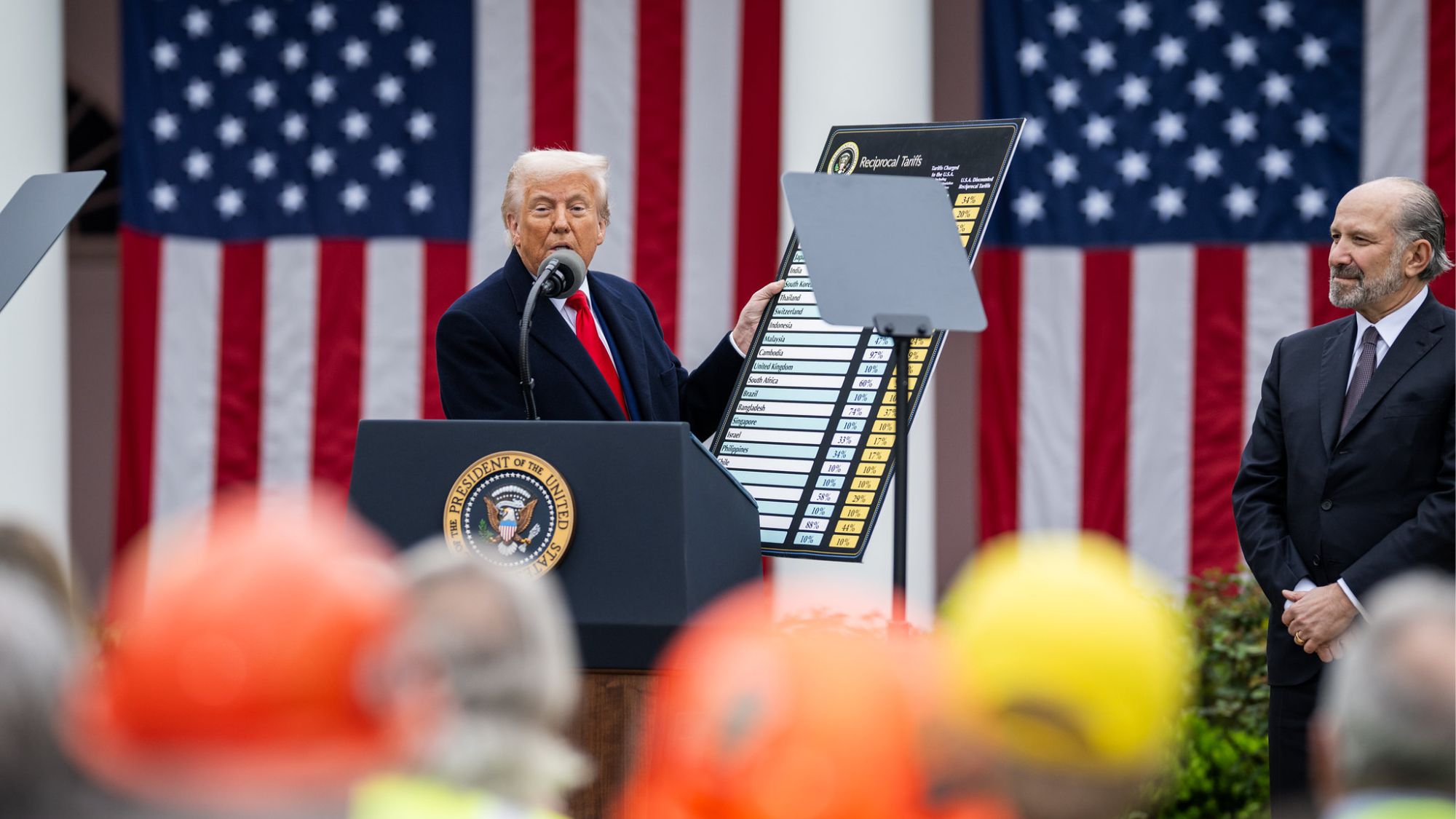

South Africa is hoping for an extension to the 1 August date for 30% United States tariffs so that the countries can finalise a trade deal.
The situation was explained by agriculture minister John Steenhuisen in an interview with News24. Steenhuisen is part of the South African negotiating team trying to reach an agreement on lower US tariffs in exchange for South African trade concessions.
Those concessions might include easier access to South Africa for American pork and poultry.
Steenhuisen hoped that, because negotiations were underway, the 1 August deadline set by President Donald Trump for sweeping 30% tariffs on all South African exports to the US would not be imposed, and that South Africa would be granted an extension while a trade deal was finalised.
South Africa’s first framework deal had been rejected by the US as insufficiently “ambitious”, and there had so far been no reply to its second offer.
“The initial deal offered commitments for US natural gas and fracking technology in exchange for duty-free quotas for steel and vehicles. SA also offered the US farmers tariff-free access to the local market when SA fruit is not in season,” News24 reported.
“The revised packaged contained proposals to remove non-tariff measures that the US was unhappy with, including SA’s restrictions on US poultry imports which were imposed after a widespread outbreak of bird flu in that country.
“The US can now determine which of its states can export poultry to South Africa, effectively giving the Americans the power to ‘self-ban’ and ‘self-lift’ restrictions. Last month the SA Poultry Association said this offer is ‘an unprecedented and reckless shift that compromises South Africa’s disease-free status’.
“The new package also included concessions on longstanding restrictions on imports of pork from the US due to the prevalence of Porcine Reproductive and Respiratory Syndrome in that country, as well as on US blueberry imports.
“Steenhuisen said that several other concessions were included, including on gas,” News24 said.
The US had yet to indicate whether the revised deal passes muster. There was also uncertainty about whether the US had created a new trade “template” for all Sub-Saharan African countries, to which South Africa would have to adhere.

