


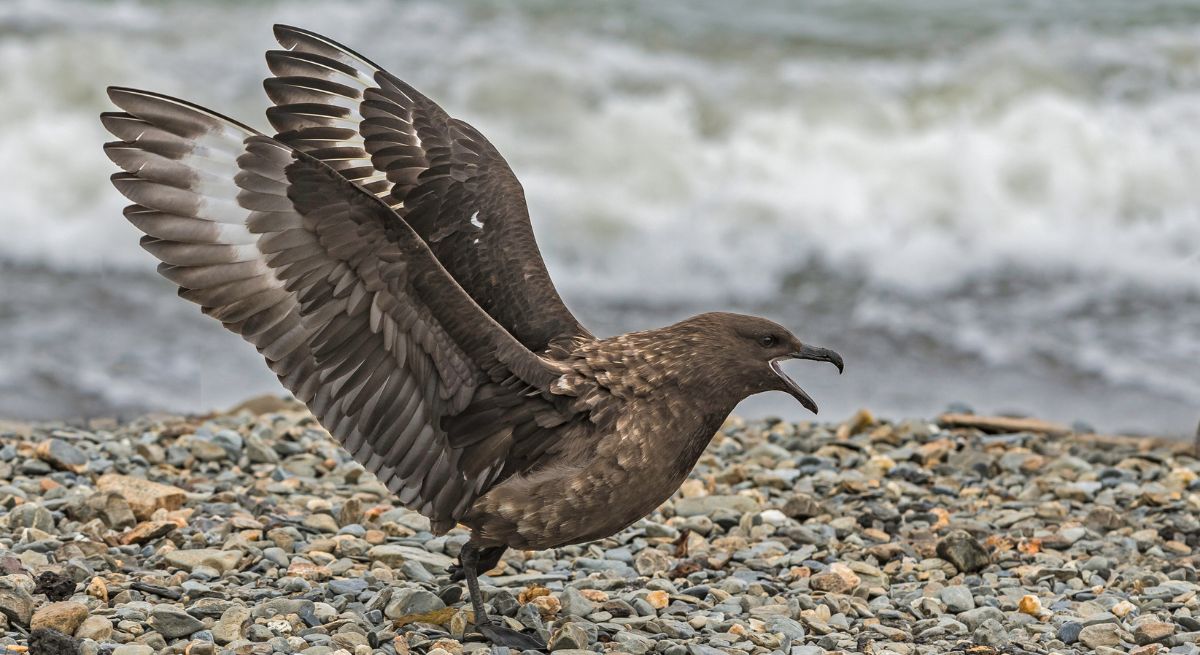
One dead seabird in a remote part of Australia got immediate government attention to the bird flu threat, including from the Prime Minister, and a plan of action for national and regional governments.
Key takeaways:
- Australia reacts fast: A single dead seabird infected with H5N1 sparked immediate, top-level government mobilisation and action planning.
- South Africa delays: Despite losing millions of birds, South Africa’s June 2025 mass vaccination campaign remains stalled by restrictive government regulations.
- The global threat escalates: H5N1 has killed millions of animals worldwide, and the mainland discovery now threatens Australia’s poultry and unique wildlife.
It’s an example that other countries could follow, including South Africa. Top-level pressure helps to get things done.
South Africa was promised a “mass vaccination campaign” against bird flu a year ago. It has yet to get underway, apart from a pilot project on one site.
The high-level concern in Australia is because it is the only continent that has so far been free of the deadly H5N1 bird flu virus. The H5 bird flu strain has killed millions of wild birds and commercially farmed chickens across the world, as well as thousands of mammals.
In 2024 and 2025 Australia suffered outbreaks of the H7 strain of the virus in commercial poultry. Now the country’s poultry flocks, as well as wild birds and unique animal species could be at risk if the H5 strain takes hold.
That is why Australia is worried, from the Prime Minister down, by the death of a migratory sea bird, caused by the H5N1 bird flu strain. The H5N1 global progression has seemed unstoppable, and Australia fears it is next on the list.
The H5N1 bird flu strain is spread by wild birds, but it has killed thousands of mammals that prey on sick or dead birds, from seals and sea lions to bears, foxes and domestic cats. The virus has also infected dozens of dairy herds in the United States.
Australia’s attention will have been caught by the bird flu deaths of 13 000 seal pups and hundreds of penguins on Antarctic islands far south of the country. Now a dead sea bird has shown that the disease has reached the Australian mainland, Australians are hoping it might be an isolated incident, but national and state governments are preparing for the worst.
The country has already made a list of the bird and animal species that might be vulnerable if the H5N1 virus spreads, and poultry farmers are being advised to tighten their biosecurity measures.
In South Africa, millions of birds have died from H5N1 bird flu, but the government has shown little urgency to protect poultry farmers who provide nearly 60% of the meat consumed in the country, or to compensate them for culled chickens.
The South African poultry industry has been trying for more than a year to get the government to change onerous bird flu vaccination rules. They had to launch a dispute process to get a review which might result in more practical and affordable requirements. If that happens, the mass vaccination campaign promised in June 2025 could at last get underway.
Australia has been galvanised into action by one dead sea bird. South African poultry farmers must be wondering what it would take to get their government moving.

