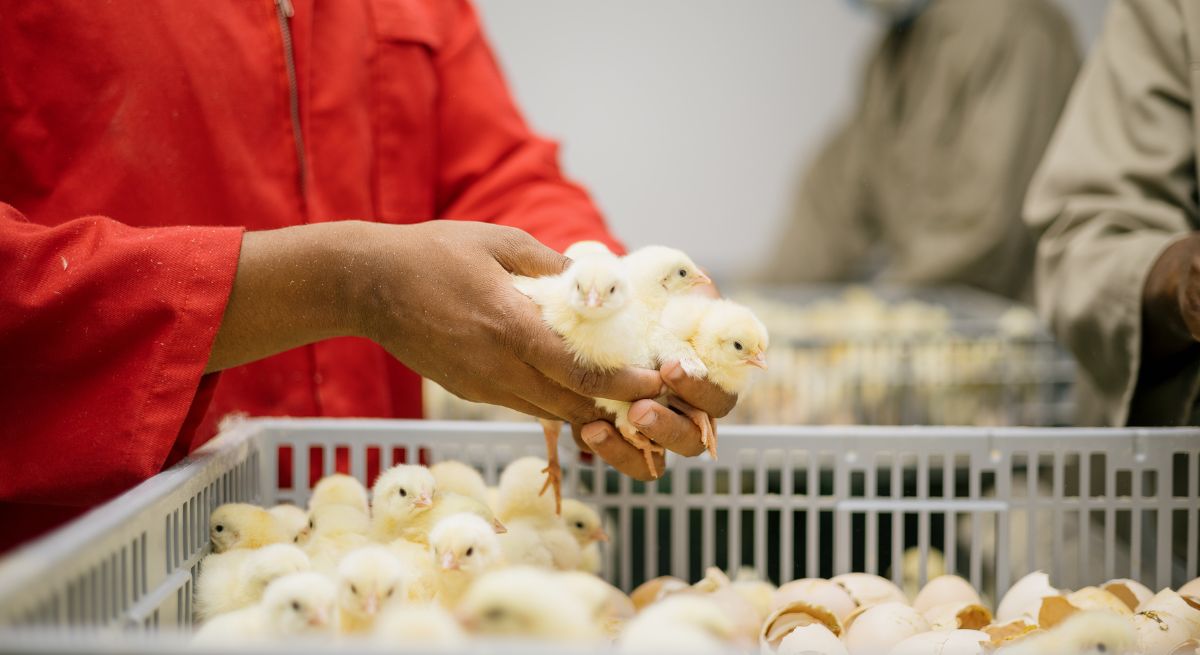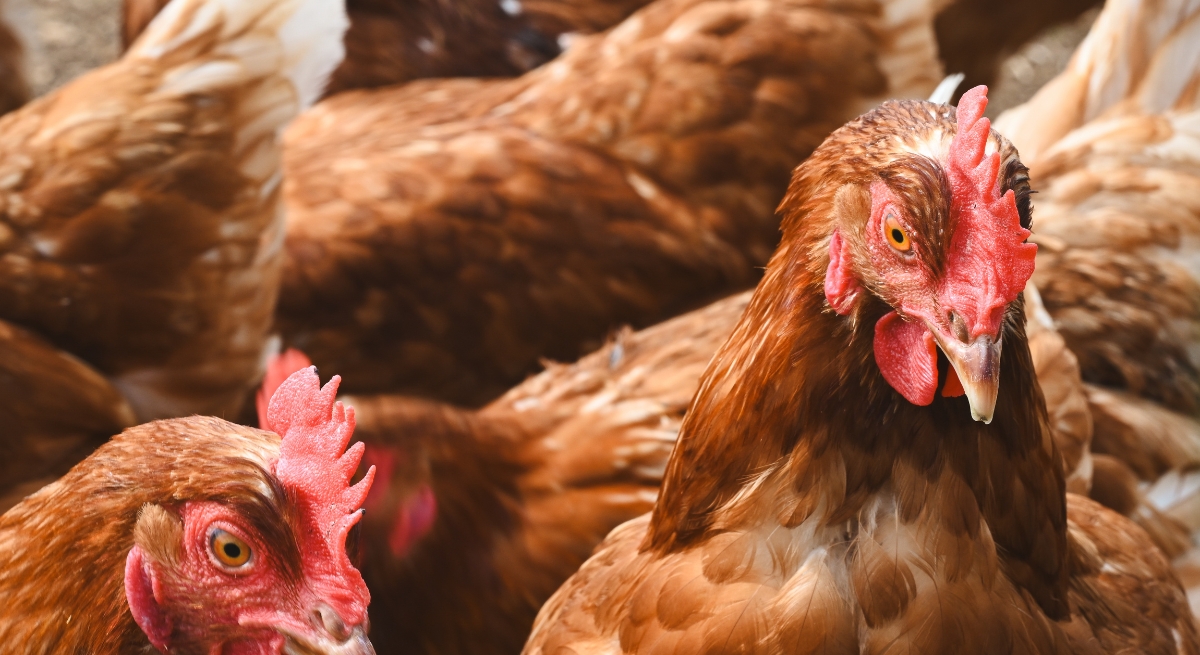
The Supreme Court of Appeal has made a potentially momentous decision for South African poultry farmers, ordering the government to pay compensation for chickens it orders to be culled during bird flu outbreaks.
Key takeaways:
- The Supreme Court of Appeal has ruled 3–2 that farmers must be compensated for chickens and eggs destroyed on government orders during bird flu outbreaks, valued as if they were healthy.
- The government has until 19 November to seek leave to appeal to the Constitutional Court. If it doesn’t, claims are likely from farmers hit by the 2017, 2021 and 2023 outbreaks.
- SAPA says fair compensation encourages farmers to report outbreaks quickly, which matters for disease control, jobs and food security.
The judgment, by South Africa’s second-highest court, upholds a decision by the High Court in 2024 that invalidated the Department of Agriculture’s decisions over many years that sick birds have no value. The government had therefore set the compensation amount at zero.
The High Court said that the department had to value chickens according to their value as healthy birds. The Supreme Court of Appeal has upheld this in a 3–2 majority decision.
The government has until 19 November to appeal to the Constitutional Court. If it accepts the Supreme Court of Appeal decision, there is likely to be a flood of claims from farmers who had to cull chickens and destroy eggs in bird flu outbreaks in 2017, 2021 and 2023.
The farmer involved in the case had claimed R32 million for the loss of chickens and eggs destroyed by government order in 2021. The SA Poultry Association (SAPA) has estimated poultry industry losses in the 2023 outbreaks at R10 billion.
SAPA supported the litigation and participated as a friend of the court because of the case’s implications for the wider industry, Engineering News reported.
“This is an important victory for poultry farmers,” SAPA’s Izaak Breitenbach said.
“Compulsory culling can remove a farmer’s productive flock in a matter of days. Farmers who comply are helping to protect other farms and the public, and fair compensation recognises that shared benefit,” he stated.
The judgment also recognised that compensation supports effective disease control by encouraging prompt reporting and cooperation with veterinary authorities.
“Confidence that compensation will be assessed fairly strengthens our ability to respond quickly to outbreaks. That matters for animal health, investment, jobs and food security across both the chicken and egg industries,” Breitenbach said.
SAPA called for outstanding claims to be addressed fairly and promptly in accordance with the judgment. It also noted that the State may still seek leave to appeal to the Constitutional Court.